Understanding Wildlife Control: Effective Strategies and Dead Animal Removal Services
Wildlife control encompasses approaches intended to regulate animal populations and maintain secure surroundings. Being aware of the influence of frequent animal intruders is vital for residents. Reliable prevention strategies can substantially lower the chances of wildlife incidents. Moreover, the swift elimination of dead wildlife is paramount for community health and well-being. However, many remain unaware of the key elements involved in effective wildlife control and the importance of professional services. What measures can be implemented to protect households and neighborhoods?
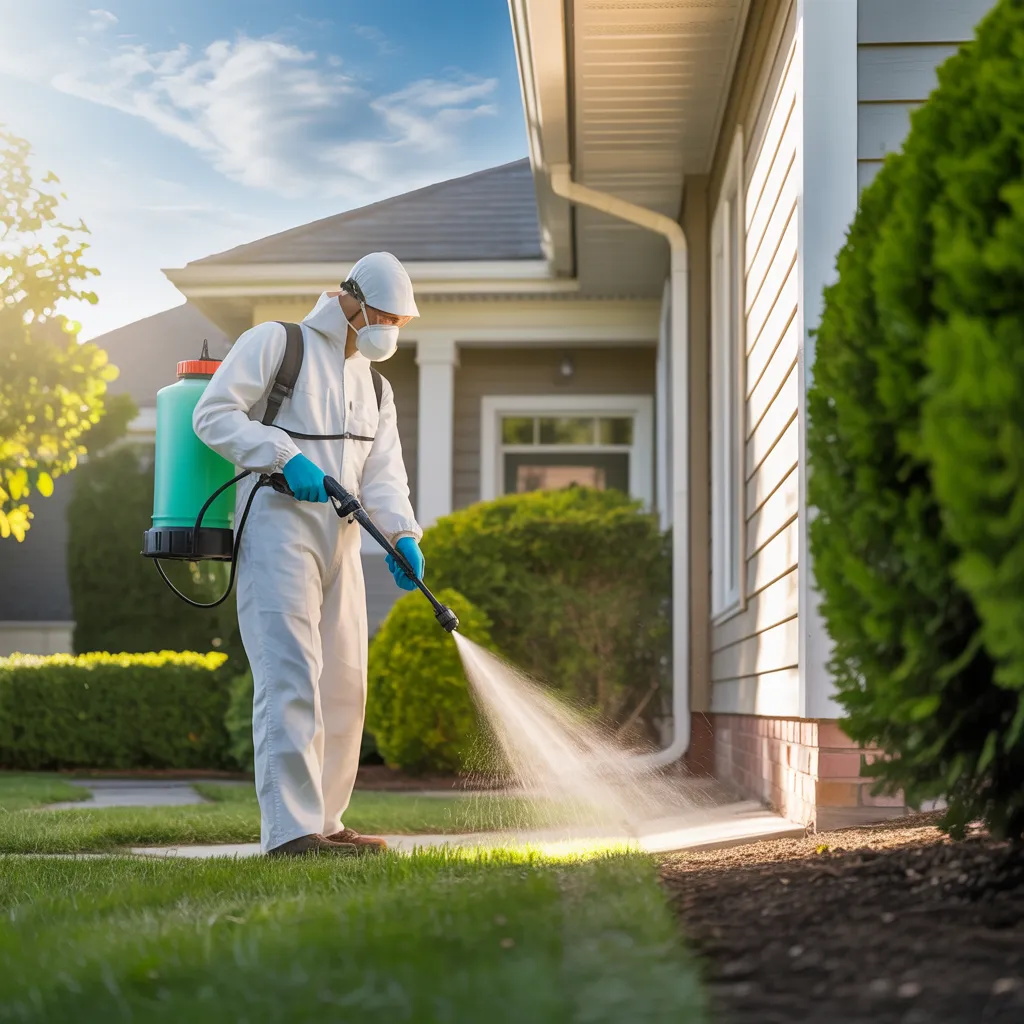
What Is Wildlife Management and Why Does It Matter?
Wildlife control encompasses a variety of strategies aimed at managing animal populations and their interactions with human environments. This discipline is critical for balancing ecological systems and minimizing conflicts between wildlife and people. Successful wildlife control aids in preserving public health by reducing the dangers linked to zoonotic diseases, which have the potential to pass from animals to humans.
Moreover, it safeguards the interests of farmers by handling species that may threaten crops or livestock. By utilizing ethical techniques, wildlife management supports mutual cohabitation, making sure that the needs of people and the well-being of animals are both considered.
Furthermore, it acts to protect biodiversity by handling intrusive species that can destabilize native ecosystems. All things considered, wildlife management is essential not only for strengthening safety and limiting property damage but also for supporting a balanced interaction between people and the surrounding ecosystem.
How Typical Wildlife Invaders Cause Damage to Your Home
Common wildlife intruders create major hazards for households, leading to structural damage that can compromise integrity. Such creatures are capable of tainting insulation, generating dangerous health risks for residents. Moreover, the existence of these intruders creates significant electrical safety issues, as they may chew through wires, heightening the likelihood of dangerous fires.
Risks of Structural Damage
The presence of wildlife intruders may result in considerable structural deterioration in homes. Animals such as raccoons, squirrels, and rodents frequently take advantage of gaps in the outer structure of buildings, creating entry points that compromise structural integrity. Raccoons, as a prime copyrightple, can tear off roofing components and deteriorate insulation, while squirrels may gnaw on wiring systems and wooden supports, elevating the danger of fire-related incidents. Furthermore, burrowing animals can undermine foundations by forming underground passages, exacerbating the potential for collapse. Over time, such entry points can enable water seepage, resulting in mold development and wood decay. Residents ought to be watchful for signs of wildlife intrusion to avert costly damage and secure the wellbeing and long-term stability of their residences. Prompt intervention is essential to mitigate these risks.
Insulation Contamination Problems
Insulation functions as a critical shield against temperature changes, but it can easily become compromised by encroaching creatures. Animals such as mice and raccoons can tear through insulation materials, creating pathways that allow for further entry into home structures. Their nesting behaviors frequently lead to contaminating the insulation with feces, urine, and various debris, causing significant contamination. This not only compromises the insulation's efficiency but also presents health concerns from potential contact with harmful microorganisms. Additionally, decaying animal carcasses can emit unpleasant odors and attract further pests. Homeowners must address insulation contamination promptly to maintain both energy efficiency and indoor air quality, underscoring the value of reliable wildlife control and corrective measures.
Electrical Risk Concerns
How do wildlife pests lead to electrical dangers in residential properties? Typical wildlife pests, including rodents and birds, can inflict considerable damage on electrical systems. Rodents especially are notorious for chewing through wires, leading to exposed conductors and the risk of short circuits. This not only poses a fire risk but also increases the chances of electrical shock for homeowners. Furthermore, nesting debris from birds can block ventilation systems or build up near electrical panels, increasing the risk of fire. Moreover, wildlife may introduce moisture through burrows or droppings, creating an environment conducive to corrosion and electrical failure. Tackling these hazards with proper wildlife control measures and routine inspections is critical to preserving a safe home environment.
How to Identify Signs of Wildlife Presence
Detecting signs of animal presence is critical for efficient mitigation methods. Typical signs consist of footprints, recognizable sounds, and strange smells that can signal the intrusion of animals. Recognizing these signs early can aid in reducing possible property damage.
Popular Wildlife Track Identification
Many outdoor enthusiasts find that spotting familiar wildlife prints is fundamental to understanding local ecosystems. Tracks vary by species, featuring unique shapes and dimensions. As an illustration, the tracks of deer appear heart-shaped, while the prints of raccoons resemble a human hand with extended fingers. Tracks from canines like coyotes tend to show an oval form with clearly defined claw marks. Studying the gaps between tracks may reveal important information about the animal's dimensions and traveling speed. Furthermore, noting claw impressions can assist in distinguishing between different species; to illustrate, the tracks of a bobcat notably lack visible claw marks, setting them apart from a dog's prints. Grasping these nuances supports wildlife observation and conservation initiatives, deepening one's appreciation of the natural world.

Noises and Odors
Recognizing wildlife presence often goes further than visual cues like trail markings; auditory and olfactory cues play significant roles as well. Audio signs such as rustling get details on this in the bushes, scratching in walls, or nocturnal chattering can suggest animals looking for sustenance or cover. Every animal type generates characteristic sounds, assisting in pinpointing the potential culprits. Odors, too, provide critical clues. A damp odor may point to a hidden animal nest, while a foul odor could indicate a deceased animal in the vicinity. Identifying these sensory signs empowers homeowners to act quickly. By staying alert to both auditory and olfactory signs, individuals can effectively assess wildlife presence and begin suitable management steps before the issue intensifies.
Wildlife Control: Effective Strategies for Preventing Animal Intrusions
Preventing animal intrusions demands a well-planned strategy that merges wildlife behavioral insights with practical deterrent strategies. Residents ought to start by pinpointing likely entry spots, such as gaps in walls, attics, or basements, and close them off to block entry. Regular maintenance of the property, including tidying up refuse and safely containing rubbish, can reduce the likelihood of animals foraging for food.
In addition, utilizing natural deterrents like motion-triggered lights or audio devices can discourage unwanted wildlife. Landscaping decisions also contribute; choosing native plants and sustaining a neat yard can lessen the draw for numerous species. Raising awareness among residents about local wildlife tendencies strengthens awareness and promotes proactive efforts.
The Function of Professional Wildlife Control Services
When wildlife invasions surpass the ability of homeowners to handle, professional wildlife management services become a necessary solution. These expert services deliver proficiency in recognizing and managing a broad spectrum of wildlife problems, ensuring both security and adherence to local guidelines. Trained professionals utilize humane trapping methods and exclusion techniques to reduce the effect on surrounding ecosystems while successfully addressing wildlife conflicts.
Furthermore, these companies often conduct comprehensive assessments of properties to uncover potential entry points that may encourage future infestations. By leveraging advanced tools and techniques, they can target the root causes of wildlife concerns, rather than merely handling immediate concerns. This forward-thinking approach not only secures homes but also encourages coexistence with local wildlife. At the end of the day, engaging professional wildlife control services guarantees that homeowners can handle difficult wildlife challenges safely and effectively, limiting risks to their property and their overall well-being.
Why Removing Dead Animals Is Essential
Having dead animals present on a property can pose significant health risks and draw in undesirable pests. Decaying carcasses emit dangerous bacteria and pathogens, which can taint soil and water resources, jeopardizing human and animal health. Furthermore, the smell coming from a decomposing carcass can negatively impact the daily lives of surrounding residents and create an unpleasant environment.
Furthermore, dead animals can function as a food source for foraging pests, including vermin and insects, resulting in additional infestations. This can turn into more serious complications, necessitating broader pest control measures. Prompt removal of dead animals is vital to mitigate these risks and restore safety to the environment.
Expert deceased animal removal solutions are prepared to manage these circumstances effectively, guaranteeing appropriate disposal and thorough sanitation. By addressing the issue swiftly, property owners can protect their health, preserve local ecosystems, and sustain the quality of their property.
What to Consider When Choosing a Wildlife Control Service?
Reliable wildlife control services are crucial for sustaining a safe and healthy environment, especially after issues such as dead animal removal. A number of critical considerations should be kept in mind when selecting a wildlife control service. First, verify the company is licensed and insured, since this validates their credibility and safeguards against liability. Experience in the field is essential; an organization with an established record of achievement is more capable of managing a wide range of wildlife problems effectively.
Moreover, question them regarding their practices for pest and animal removal, making sure they utilize compassionate and environmentally conscious techniques. Reviews and testimonials from customers can provide insight into the team's reliability and effectiveness.
In addition, a reliable service should deliver a thorough inspection and follow-up to deter subsequent wildlife intrusions. By considering these factors, homeowners can identify a wildlife control service that emphasizes safety, efficiency, and ethical practices.
Popular Questions We Receive
What Are the Legal Requirements for Wildlife Control in My Region?
Legal regulations for controlling wildlife change depending on the area, typically mandating permits for animal trapping and relocation. Local wildlife agencies provide guidelines, ensuring humane treatment and conformity with wildlife conservation laws to protect both animals and ecosystems.
What Is the Safe Way to Handle a Dead Animal on My Property?
When safely handling a dead animal, one should put on gloves, employ a shovel for the removal process, seal the remains in two bags, and remove it following local disposal regulations, ensuring proper sanitation and minimizing health risks.
What Is the Cost of Wildlife Control Services?
Wildlife control service costs can vary significantly, usually spanning from $100 to $1,500. Factors influencing pricing include the kind of wildlife present, severity of the infestation, and the removal techniques or prevention strategies required.
Is It Possible for Wildlife Control to Completely Prevent Future Infestations?
Professional wildlife management significantly lowers the likelihood of future infestations through proactive strategies, but it does not ensure total elimination. Ongoing monitoring and maintenance are essential to minimize risks and address any potential issues promptly.
What Types of Animals Require Specialized Removal Techniques?
Specific animals, including raccoons, bats, and snakes, necessitate specialized handling methods because of their distinct behaviors and possible health hazards. Qualified professionals must use particular approaches to ensure safe and humane treatment during the extraction process.